A genuine solid memory-foam base — not shredded fill — with a low front entry and a bolster to lean the head on. The bed to buy the day a dog starts rising slowly.
Read full review
~$65 typical price
Buy on AmazonUse-case guide · 2026
Senior-dog gear is about subtraction: less impact on the joints, less effort to reach the good spots, less friction in the daily routine. The wins are unglamorous — real foam under the hips, steps where there were jumps, a grinder instead of clippers on thickened nails — and they compound into a visibly more comfortable dog.
We may earn a commission from Amazon links on this page — at no extra cost to you. How this works
Bed spec that matters
Solid memory foam, low walk-on entry
The jump policy
Retire it — steps and ramps everywhere
Not sure what size fits your dog? Run their weight through the gear size finder →
A genuine solid memory-foam base — not shredded fill — with a low front entry and a bolster to lean the head on. The bed to buy the day a dog starts rising slowly.
~$65 typical price
Buy on Amazon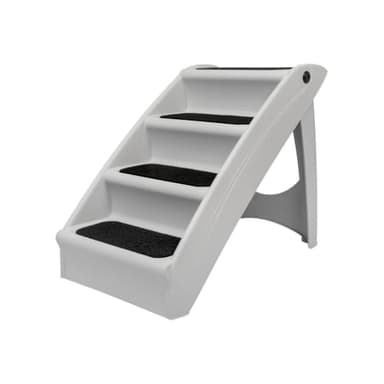
Couch and bed access without the leap or the landing. Foldable to move between rooms, sturdy enough that a cautious senior trusts it.
$39.99on Amazon
Price as of Oct 18, 5:38 PM ET — subject to change.
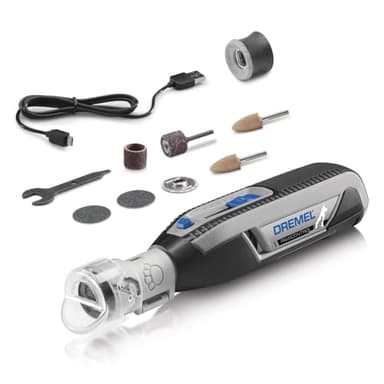
Senior nails are thick and the quick is long — grinding takes off small amounts painlessly and precisely where clippers crush and split.
$53.97on Amazon
Price as of Oct 18, 5:38 PM ET — subject to change.
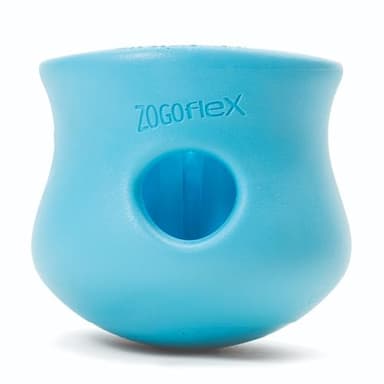
Licking a frozen Toppl is real mental exercise with zero physical cost — the enrichment that still works when fetch doesn't.
$20.95on Amazon
Price as of Oct 18, 5:38 PM ET — subject to change.
The honest version: 'orthopedic' isn't a regulated term, so the label alone means nothing. What matters is a solid foam base (memory foam or high-density support foam) thick enough that your hand pressed to the bottom doesn't feel the floor. That construction genuinely distributes weight better than polyfill for arthritic joints.
Steps need less floor space and suit dogs that still move well. A ramp is the gentler grade for dogs with visible stiffness, post-surgery recovery, or anything a vet is monitoring — and it's the usual recommendation for long-backed breeds as they age.